

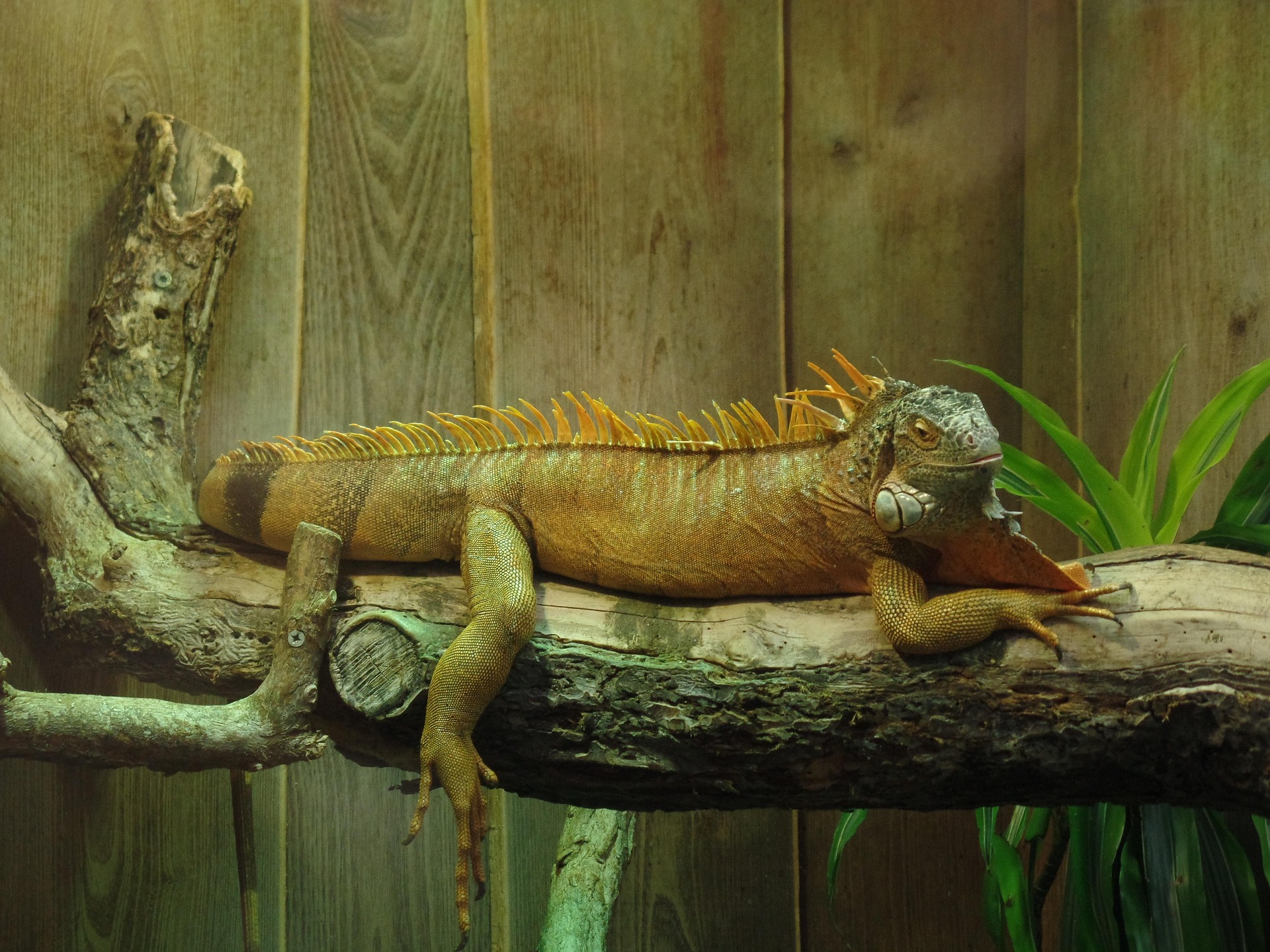
Setting up a terrarium for a pet lizard isn’t just about putting a reptile in a glass tank. It’s about recreating a natural environment where your lizard can feel safe, stay healthy, and thrive. Whether you’re new to reptiles or upgrading your setup, this guide will walk you through creating the ideal lizard habitat step by step.
1. Choose the Right Terrarium Size
The first thing you need is a terrarium that fits your specific lizard species. Bigger is usually better—it allows for proper temperature gradients, movement, and enrichment.
General terrarium size guidelines:
- Leopard Gecko: at least 75 liters / 20 gallons (long)
- Bearded Dragon: at least 150 liters / 40 gallons
- Crested Gecko: 75 liters / 20 gallons (tall)
- Chameleon: large, vertical enclosure (at least 60×45×90 cm / 24×18×36 in)
Choose a terrarium that matches your lizard’s adult size, not just its juvenile stage.
2. Select the Right Substrate
Substrate—the base layer of the enclosure—impacts humidity, hygiene, and safety.
Avoid loose, ingestible substrates for small or young lizards. Safer options include:
- Reptile carpet: Easy to clean and non-ingestible
- Paper towels: Inexpensive, hygienic
- Coconut fiber or bioactive soil mix: Great for tropical species
- Slate or tile: Ideal for desert reptiles
For desert dwellers, use dry, heat-retaining substrates. For tropical species, go with moisture-holding ones.
3. Set Up Proper Lighting and Heating
Lizards rely on external heat to regulate their body temperature. You’ll need both heat and UVB light sources.
Heating:
- Use a basking lamp or ceramic heat emitter to create a basking zone.
- Establish a temperature gradient across the tank.
UVB Lighting:
- Essential for calcium absorption and bone health.
- Use a reputable UVB bulb (e.g., Reptisun 10.0 or Arcadia 12%).
Example temperature ranges (for a Bearded Dragon):
- Basking area: 35–43°C / 95–110°F
- Cool side: 24–29°C / 75–85°F
- Nighttime: 18–24°C / 65–75°F
Use thermometers on both ends of the tank, and a thermostat for heaters to maintain consistent temps.

4. Humidity and Hydration
Humidity needs vary by species.
Examples:
- Leopard Gecko: 30–40% relative humidity
- Crested Gecko: 60–80%
- Chameleon: 50–70%, with regular misting or a drip system
Tips to manage humidity:
- Use a hygrometer to monitor levels
- Mist the tank daily for high-humidity species
- Add moss, live plants, or water dishes to boost humidity
- Increase ventilation if it’s too damp
Always provide a clean, shallow water dish. Some lizards (like chameleons) need drip systems or frequent misting to stay hydrated.
5. Add Hides, Climbing Branches, and Enrichment
Environmental enrichment reduces stress and promotes natural behavior.
Essential terrarium elements:
- Hides: One on the warm side, one on the cool side
- Climbing branches or cork bark: Especially for arboreal species
- Rocks and basking ledges: Good for sunbathers like beardies
- Live or artificial plants: Improve appearance and help manage humidity
- Backgrounds: Foam or textured backdrops encourage climbing
Make sure décor is stable and won’t topple over during exploration.
6. Consider a Bioactive Setup (Optional)
A bioactive terrarium mimics a self-sustaining ecosystem. It includes live plants, natural substrates, and small clean-up insects like springtails and isopods.
Key layers in a bioactive setup:
- Drainage layer (e.g., LECA or clay balls)
- Mesh barrier
- Enriched soil substrate
- Leaf litter and moss
- Live plants and clean-up crew
This type of setup reduces cleaning frequency and supports your lizard’s health naturally.
7. Clean and Maintain Regularly
Even the best terrarium needs upkeep.
Daily tasks:
- Remove waste
- Refill water
- Check temperature and humidity
Weekly:
- Wash food and water dishes
- Spot clean the substrate
Monthly:
- Deep clean the tank with reptile-safe products
- Replace UVB bulbs if they’re losing strength
- Prune live plants and check décor
Avoid using harsh cleaners—stick with vinegar-water or reptile-safe products.
Final Thoughts: Start Strong, Keep It Simple
Creating the perfect terrarium is about preparation, not perfection. Understand your lizard’s needs—temperature, humidity, UVB, space, and stimulation—and you’ll build a habitat that supports health and natural behavior.
A well-set-up terrarium is more than a display; it’s your pet’s entire world. Get it right, and your lizard will reward you with active, healthy behavior and a long, happy life.


