

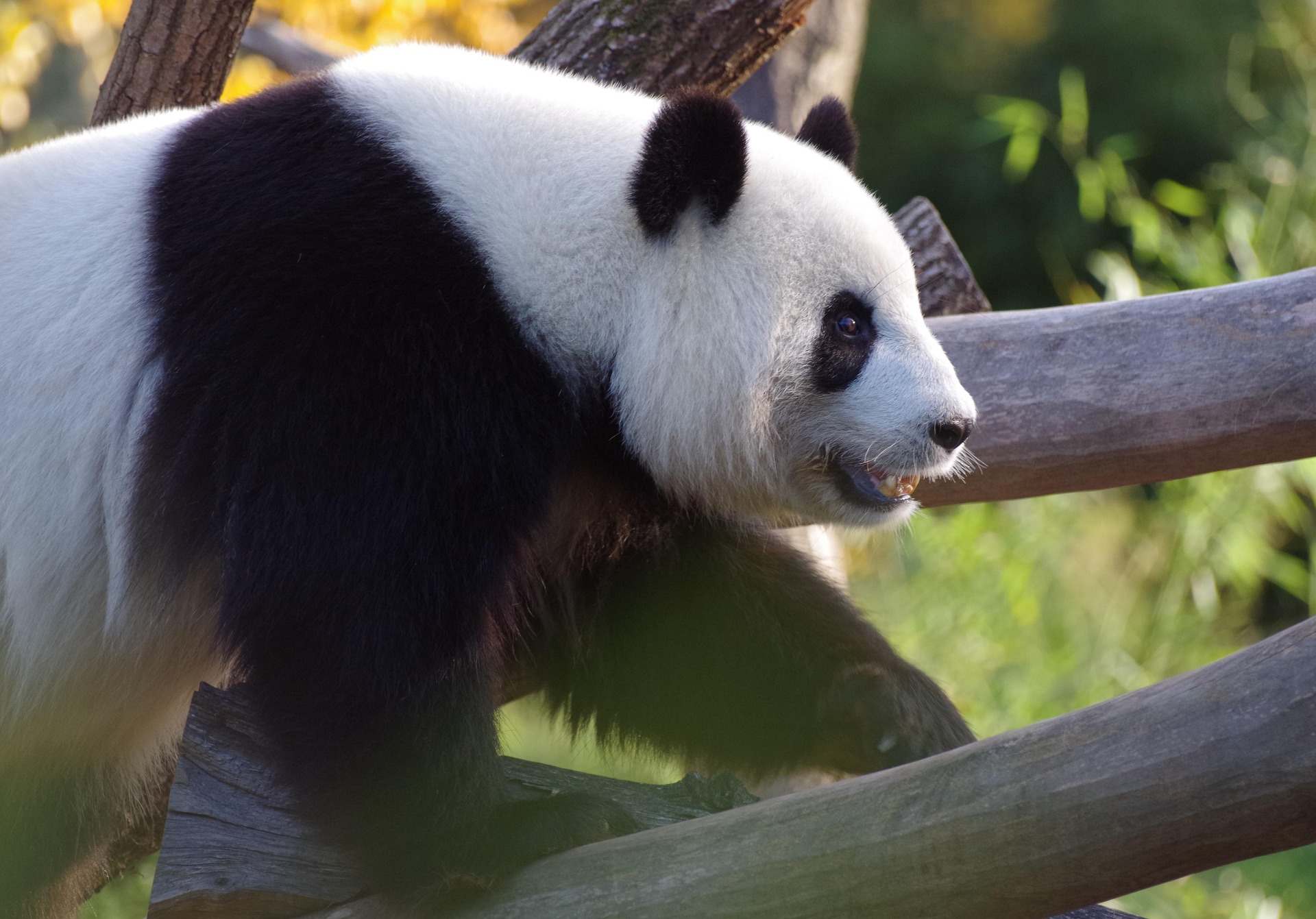
Pandas have long captured the hearts of people around the world. Their distinct black-and-white appearance, playful demeanor, and calm nature make them appear like the ideal animal companion. It’s not surprising that many people have wondered: Can pandas be pets? While the thought might be endearing, the reality is far more complex — and firmly rooted in conservation, biology, and law.
Can You Own a Panda?
In short: No, you cannot keep a panda as a pet. Pandas are wild animals with specific needs, and they are protected under international and national conservation laws. All pandas are owned by the Chinese government, including those in zoos outside China, which are leased under international conservation agreements.
Why Is It Illegal to Own a Panda?
- Protected Status: The giant panda (Ailuropoda melanoleuca) is classified as vulnerable by the International Union for Conservation of Nature (IUCN). This status restricts private ownership under the Convention on International Trade in Endangered Species (CITES).
- Government Ownership: Pandas are considered a national treasure in China. All pandas, including those born abroad in zoos, are technically Chinese property.
- High-Level Conservation Agreements: Pandas outside of China are part of diplomatic and scientific collaboration efforts. They are not privately owned and cannot be bought or sold.
Why Pandas Are Not Suitable as Pets
Even if laws allowed it, pandas are not practical or ethical pets for many reasons:
1. Highly Specialized Diet
Pandas eat almost exclusively bamboo — up to 38 kilograms (84 pounds) per day. Their digestive systems are not well adapted to process this fibrous plant efficiently, so they must consume large quantities daily. Maintaining a constant supply of fresh bamboo, especially outside of Asia, would be nearly impossible.
2. Enormous Space Requirements
In the wild, pandas roam vast mountainous forests. Captivity in a household setting would cause stress, health issues, and behavioral problems. Zoos spend millions creating habitats that simulate natural conditions — something unattainable in private homes.
3. Behavior and Temperament
Despite their gentle appearance, pandas are strong, solitary animals. They can become aggressive when startled, sick, or threatened. In captivity, improper handling could easily lead to injury for both the panda and its handler.
4. Veterinary and Care Needs
Pandas require expert veterinary care and continuous health monitoring. Their health is fragile and maintaining it requires resources and knowledge far beyond standard pet care.

Conservation Comes First
One of the most compelling reasons pandas cannot be kept as pets is the global effort to protect and conserve the species. Once listed as “endangered,” pandas have recently been upgraded to “vulnerable” due to years of focused conservation work — but they still face serious threats in the wild, primarily due to habitat loss.
Every panda plays a role in the survival of the species. Breeding programs, habitat protection, and scientific research are essential to ensuring the panda’s future — and private ownership would undermine these critical efforts.
Conservation Resources
What About Zoos and Sanctuaries?
Most of the pandas outside China live in zoos or breeding centers under strict international agreements. These facilities are equipped with the right expertise, diets, and space to care for pandas and contribute to global conservation efforts.
If you love pandas and want to support them, the best way is to visit a reputable zoo, donate to conservation organizations, or symbolically adopt a panda through programs like the WWF’s adoption kit.
Symbolic Adoption Links:
Fun Facts About Pandas
- Pandas have a special “pseudo-thumb” — an extended wrist bone — that helps them grip bamboo.
- Despite their classification as carnivores, they eat bamboo 99% of the time.
- A newborn panda is about the size of a stick of butter and is born completely hairless and blind.
Pandas spend up to 14 hours a day eating — and most of the rest sleeping.
Final Thoughts: Love Pandas, Don’t Own Them
While the idea of keeping a panda as a pet might seem like a dream, the reality is far from feasible — and more importantly, not in the best interest of the animal or the species. Pandas are wild creatures that deserve our admiration, protection, and support from afar.
By understanding the challenges of caring for pandas and the importance of their conservation, we can continue to enjoy their presence in the world — not in our homes, but in the wild and well-managed sanctuaries where they belong.

